
01 / HARVEST
Harvest Consistency
When strip-picking mixes under-ripe green cherries with over-ripe fruit, the uneven sugar and moisture levels compromise cup balance and increase sour, astringent defects.
Koraput has a long connection with coffee cultivation. Odisii's work begins with a practical question: how can the quality and commercial potential of coffee grown here be better understood, developed, and connected with the right buyers?
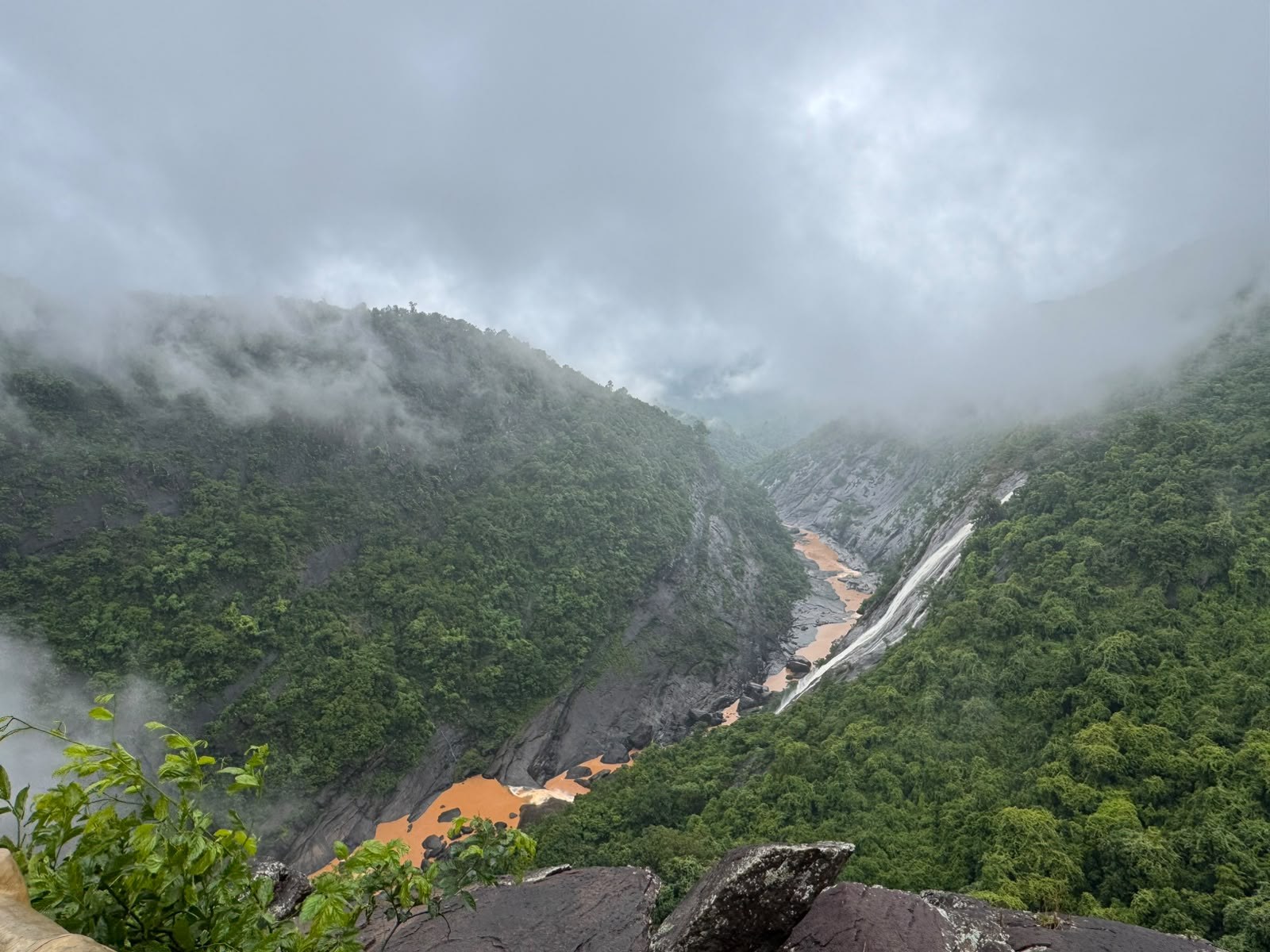
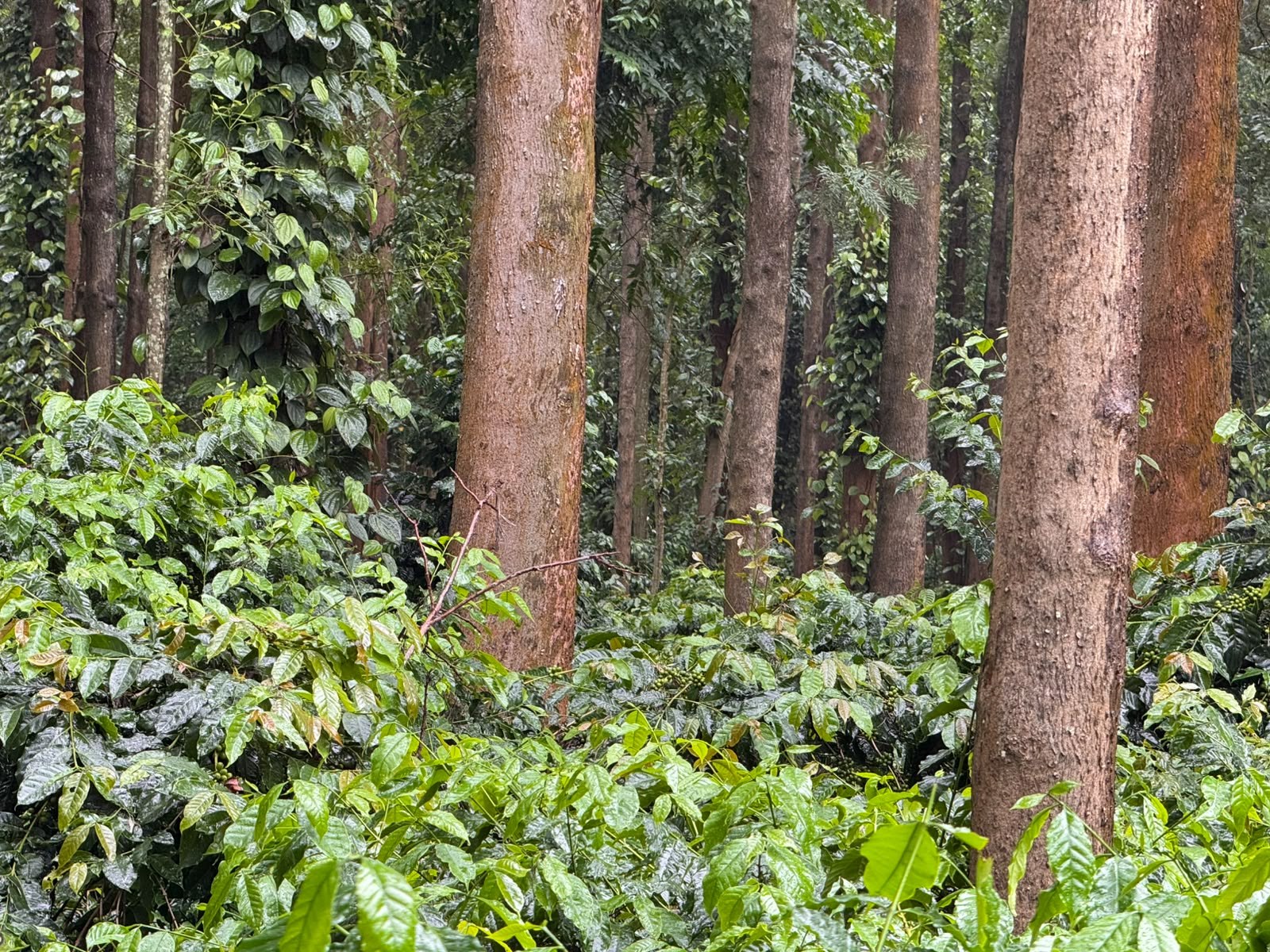
The Eastern Ghats surrounding Koraput rise between 900 and 1,200 meters above sea level. Lush natural forest canopies, rich loamy soil, gentle mist, and defined wet and dry seasons provide an inherently hospitable climate for specialty Arabica and heirloom Robusta trees.
For decades, tribal families have planted coffee across these slopes as part of traditional agroforestry practices. Yet historically, excellent growing conditions alone did not translate into consistent cup scores or recognized market value.
When smallholder producers have limited access to consistent post-harvest facilities, structured sorting practices, processing protocols, and direct commercial relationships, lots are often blended into anonymous commercial streams. The distinctive micro-climate characteristics of Koraput were simply lost along the way.
Post-harvest quality cannot be resolved in isolation. It requires understanding four interconnected bottlenecks.
When strip-picking mixes under-ripe green cherries with over-ripe fruit, the uneven sugar and moisture levels compromise cup balance and increase sour, astringent defects.
Without defined guidelines for fermentation management, water exchange, or mucilage retention, smallholders cannot reliably steer flavor profiles toward desired specialty cup targets.
Drying coffee on bare ground or uneven surfaces leads to moisture inconsistencies, microbial contamination, and accelerated parchment aging during seasonal storage.
Individual smallholder lots are too small for commercial roasters to purchase directly without organized aggregation, transparent lot documentation, and standardized grading.
Odisii operates directly across the gap between cherry ripening and market-ready green coffee.
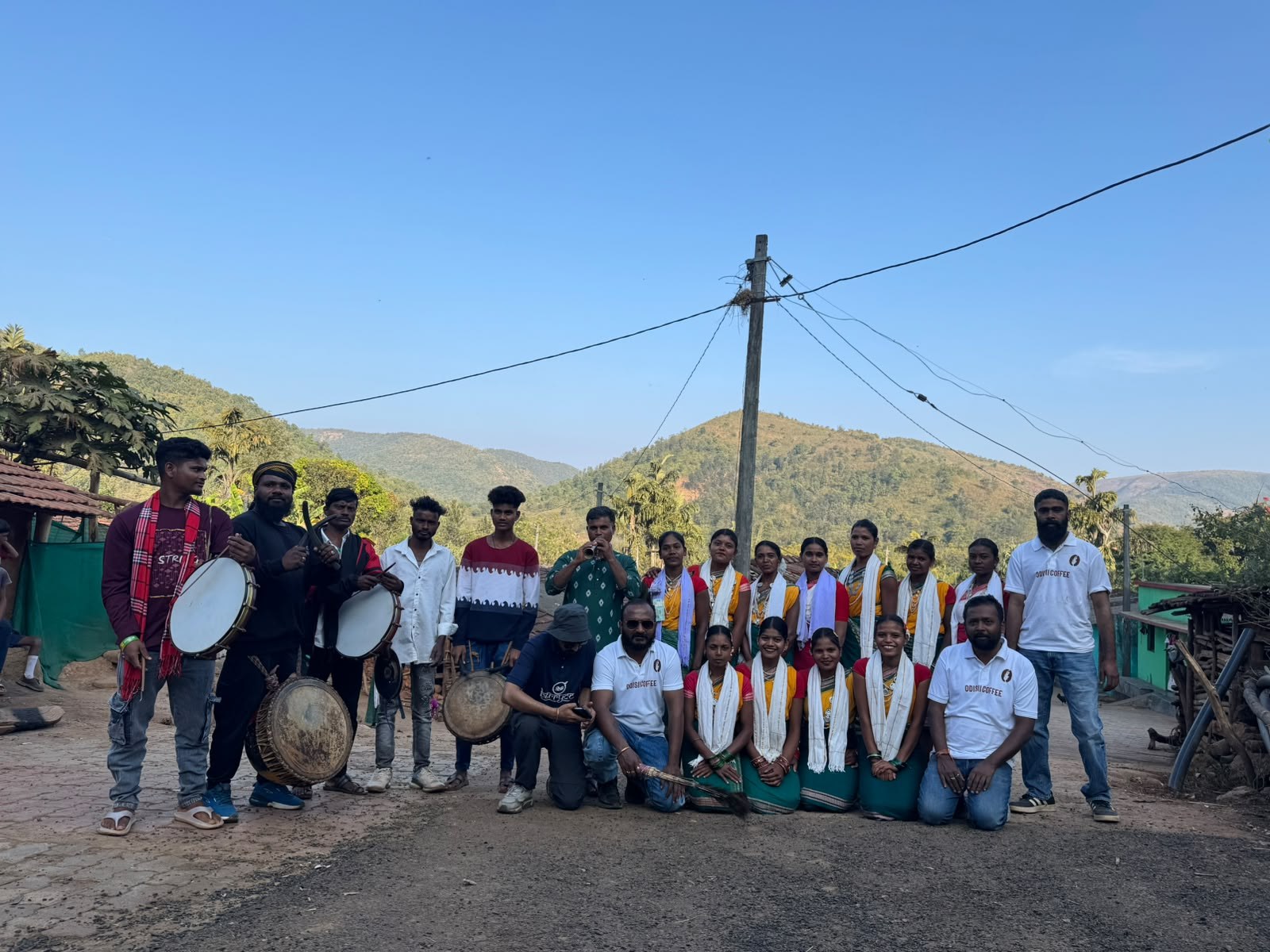
Deep, continuous dialogue with tribal planters ensures that agricultural recommendations align with local agronomic realities and traditional cultivation rhythms.
Staged picking passes ensure that only fully mature, sugar-dense cherries are harvested, dramatically elevating the raw material entering the processing pipeline.
Yields are gathered with recorded harvesting dates, village identification, and initial quality checks, establishing full lot traceability.
Disciplined execution of Natural, Honey Sun-Dried, and Washed protocols paired with shaded raised-bed drying stabilizes moisture content.
Sensory cupping and physical grading provide roasters with verifiable specification sheets rather than vague marketing claims.
We measure progress through pragmatic improvements in coffee handling, documentation accuracy, and commercial viability.
Planters adopt multi-pass selective harvesting, resulting in measurably lower physical defect counts and higher cherry sugar uniformity.
Controlled drying on raised beds maintains stable moisture levels, preventing parchment mould and preserving green coffee longevity during transit.
Roasters receive transparent lot specifications, elevation data, variety logs, and cupping assessments, enabling confident green coffee buying decisions.